"Profits are a mirror," we remind ourselves, "reflecting not only what audiences pay for but how creators are valued." As we examine revenue sharing in adult movies, this metaphor guides us. Contracts, clauses, and cut percentages reveal priorities more clearly than press releases do. We trace how language in creator agreements determines who benefits when […]

Month: October 2026
International Regulations Shape Adult Movies Release Strategies
Right before our team finalized a distribution map, we received a terse email: one market required a fifteen-second cut, another banned a specific scene outright, and a third demanded age-verification technology we hadn’t budgeted for. We exchanged looks, recalculated timelines, and realized that what we assumed would be a straightforward release had become a complex […]
Accessibility Updates Improve Adult Movies User Experience
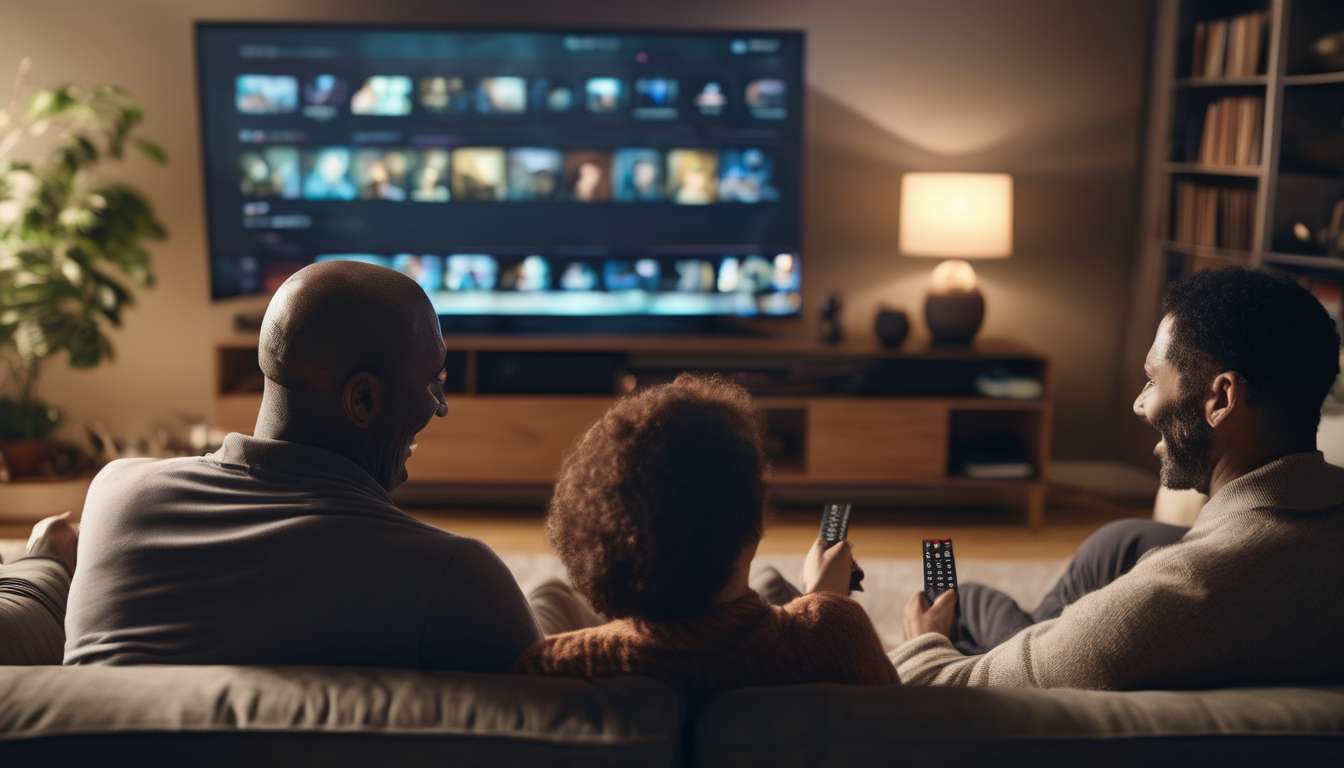
Lying on the couch after a long day, we fumble for the remote and realize the movie’s captions are tiny, the audio mixer is buried in menus, and the interface won’t remember our preferred playback speed. That small frustration is more than a nuisance; it’s a reminder that adult movies, like all media, often overlook […]
Cybersecurity Planning Protects Adult Movies Business Records
A startling 68% of small entertainment businesses report a data breach within three years — we cannot afford to be part of that statistic. As operators of adult movie enterprises, we face unique privacy imperatives. Confidential performer records, payment histories, proprietary content plans, and distributor contracts all demand vigilant protection. These assets carry legal, financial, […]
Editorial Coverage Adds Context To Adult Movies Industry Trends
"Stories are the lenses through which we make sense of industry shifts." We examine how editorial coverage reframes adult movies market trends. Articles, reviews, and investigative pieces do more than report numbers. They interpret motives. They spotlight emerging creators. They surface ethical debates that raw metrics obscure. As journalists contextualize changes in consumption, production, and […]